





19 Moral Capabilites at NCA
What Are the 19 Capabilities?
At Nancy Campbell Academy, education is about more than academic achievement.
Our 19 Capabilities help students develop the character, leadership, service-mindedness, and sense of purpose they need to contribute meaningfully to the world.
Rooted in principles such as unity in diversity, consultation, justice, perseverance, and ethical conduct, these capabilities guide how students learn, grow, serve, and lead within our school community and beyond.
Capabilities in Action:
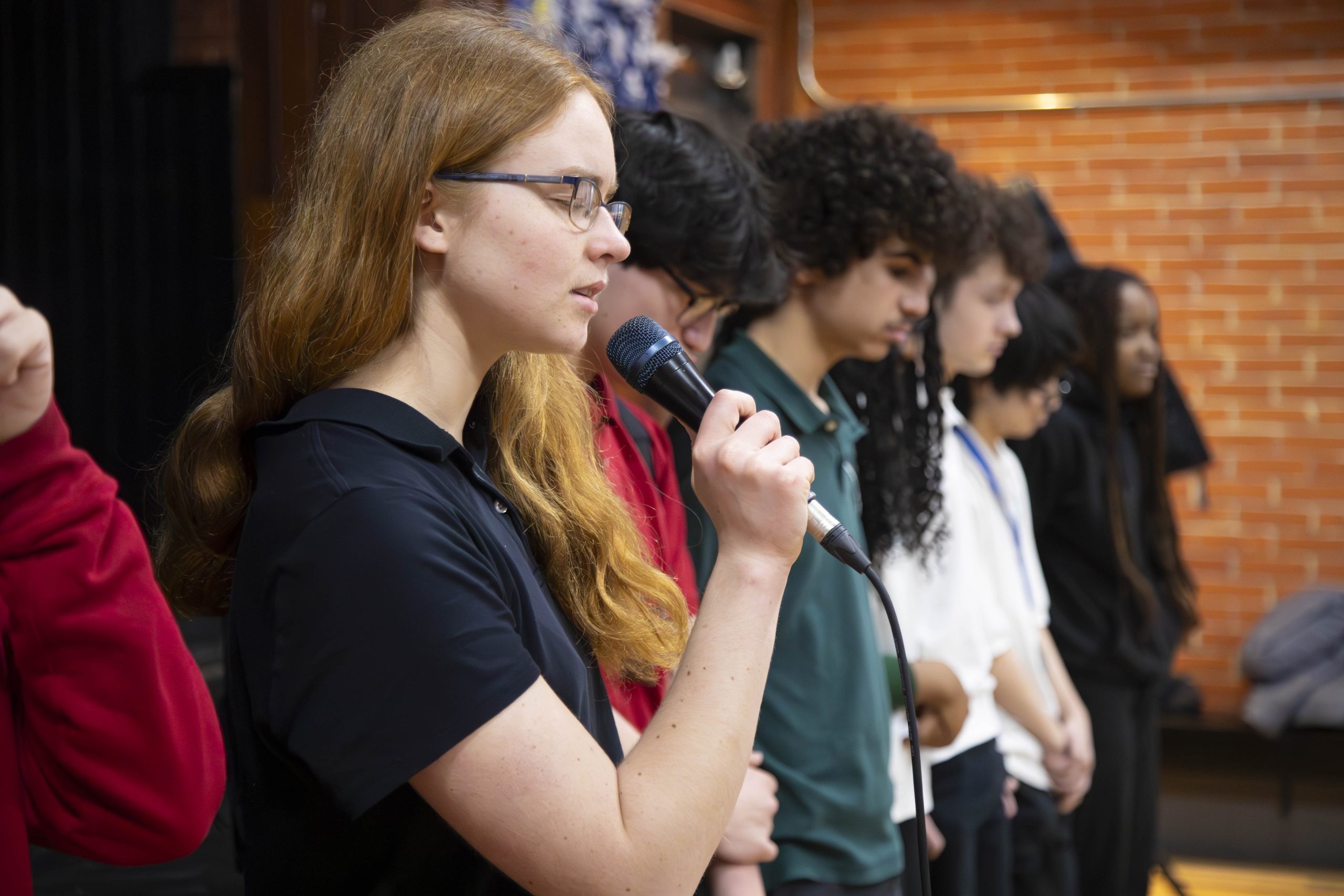
Building Unity in Diversity
While all 19 capabilities are important, some are at the very heart of our school’s motto and mission. The capability of “Building Unity in Diversity” is a core principle we live every day.
How the 19 Capabilities Shape Student Life
Building unity in diversity means bringing people together, recognizing and celebrating our differences, and working towards a common goal. It’s about understanding that our diverse perspectives and strengths, when combined, make our community more innovative and resilient
How We Practice This at NCA
We learn about others: We take the time to learn about different cultures, perspectives, and experiences through our curriculum and community events.
We promote inclusivity: We ensure that everyone’s voice is heard and respected, especially those from underrepresented groups.
We foster collaboration: We organize projects and activities that require teamwork and the sharing of diverse ideas, highlighting the unique contribution each person brings.
Associated Virtues & Skills
Inclusivity: Cultural Competence
Respect: Team-building
Unity: Conflict Resolution
A Foundation for the Future
These 19 capabilities are the tools our students use to succeed at NCA, and they are the gifts they carry with them into the world. They provide a framework for our graduates to pursue their careers with excellence, contribute meaningfully to their families and communities, and lead lives of integrity and joyful purpose.
Explore the 19 Capabilities
These 19 Moral Capabilities are woven into classes, mentorship, service, and community life at Nancy Campbell Academy.
Each capability helps students build character, strengthen leadership, and develop the habits they need to serve others with purpose.
1. What does healthy self-awareness mean?
Healthy self-awareness means recognizing your strengths and weaknesses honestly, without pride, shame, or ego getting in the way.
Seeing both the good and the areas for improvement without letting pride or self-doubt cloud our judgment. It's about acknowledging our talents and capabilities while also recognizing the things we need to work on.
This kind of self-awareness is crucial for our personal growth and for making better decisions in life.
2. What does it mean to focus on a higher purpose?
Focusing on a higher purpose means rising above impulses such as anger, greed, or jealousy and choosing actions that reflect meaningful values.
It's about channeling our energy into actions that align with our values and contribute positively to our lives and the lives of others. This helps in developing self-control and living with purpose.
3. What does ethical responsibility mean?
Ethical responsibility means managing your choices, duties, and relationships with honesty, fairness, integrity, and moral courage.
This involves making decisions and taking actions that align with strong moral and ethical principles, ensuring that we act with integrity and fairness in all areas of our lives.
It's about being trustworthy and dependable, someone others can rely on to do the right thing.
4. Why is reflection important for student growth?
Reflection is important because it helps students learn from their actions, understand what worked, and make better choices in the future.
Using a consistent framework, such as a set of guiding questions or a reflection journal, helps us understand what worked well and what didn't, so we can make better decisions in the future.
This approach leads to continuous personal growth and improved decision-making.
5. Why is historical perspective important?
Historical perspective helps students understand current events by recognizing patterns, causes, and lessons from the past.
By recognizing patterns and trends from the past, you can better interpret current events and make informed decisions.
It helps you avoid repeating past mistakes and builds a deeper understanding of the forces shaping today's world.
6. What does systemic and strategic thinking mean?
Systemic and strategic thinking means understanding how parts of a problem are connected and planning thoughtful, long-term solutions.
This approach helps in identifying root causes of issues and devising long-term solutions rather than just quick fixes.
It's about seeing the bigger picture and making decisions that lead to sustainable success.
7. How do students learn to form a shared vision?
Students learn to form a shared vision by identifying common values, imagining a better future, and expressing that vision in a way that inspires action.
As leaders, forming and articulating this vision inspires us to work together towards achieving it.
It involves understanding what motivates people, bringing us together, and guiding us towards a common goal.
8. What does love in action mean?
Love in action means guiding thoughts, words, and choices with kindness, compassion, empathy, and a desire to serve others.
Love in this context means caring deeply about others and acting with kindness, compassion, and empathy.
It's about approaching everything we do with a spirit of generosity and a desire to contribute positively to the lives of others.
9. Why is encouragement important in leadership?
Encouragement is important in leadership because it helps people feel valued, confident, motivated, and supported.
It's about recognizing the importance of encouragement and positivity in helping people reach their full potential.
Leaders who master this capacity create a supportive environment where everyone feels valued and motivated.
10.What does creative initiative mean?
Creative initiative means seeing what needs to be done, taking action without waiting to be asked, and approaching challenges with both imagination and discipline.
When paired with creativity, it involves finding new and innovative ways to approach challenges.
Discipline ensures that this creativity is channeled effectively, leading to meaningful and consistent progress.
11. What does perseverance mean in student leadership?
Perseverance is the ability to keep going despite difficulties. It's about sustaining our effort over time, even when things get tough, and finding ways to overcome obstacles. Leaders with this capacity inspire others by their determination and resilience, showing that success often comes from hard work and persistence.
12. What does effective consultation mean?
Effective consultation means listening carefully, sharing ideas respectfully, and working with others to reach thoughtful decisions. It involves active listening, thoughtful contribution, and a willingness to reach consensus.
Leaders who excel in consultation help create decisions that are well-rounded and supported by the group, fostering a sense of ownership and unity.
13. What does building unity in diversity mean?
Building unity in diversity means bringing people together, recognizing differences, and working toward a common goal. It's about understanding that diversity makes a group stronger by combining different perspectives and strengths. Leaders who cultivate unity in diversity create inclusive environments where everyone feels valued and empowered to contribute.
14. What does empowering education mean?
Empowering education means learning with purpose, sharing knowledge with others, and helping every person develop their potential.
Leaders who are both students and teachers constantly seek to learn and grow while also sharing our knowledge with others.
Empowering education means not just learning for ourselves, but also helping others learn and develop their potential.
15. How can students help transform unhealthy relationships?
Students help transform unhealthy relationships by recognizing power imbalances and building relationships based on respect, cooperation, reciprocity, and shared responsibility.
It's about transforming relationships where one person or group dominates into ones based on mutual respect, cooperation, and shared responsibility.
Leaders who excel in this capacity help create environments where everyone feels empowered and valued.
16. What does it mean to contribute to justice?
Contributing to justice means working for fairness, equality, and right action while challenging practices that harm or exclude others.
Leaders who contribute to justice work to ensure that everyone is treated fairly and that unjust practices are challenged and changed.
This involves advocating for the rights of others, standing up against discrimination, and working towards a society where everyone has equal opportunities.
17. How can leaders serve others through societal institutions?
Leaders serve others through societal institutions by helping create environments where people’s talents can grow and be expressed.
Schools, governments, organizations, and communities shape people’s lives, so responsible leadership means promoting policies and practices that nurture ability, encourage creativity, and open opportunities for growth.
At Nancy Campbell Academy, students learn that leadership is not about control, but about service that helps others contribute their best.
18. Why is being a responsible and loving family member important?
Being a responsible and loving family member means fulfilling your role at home with care, empathy, respect, and reliability.
Leadership begins in the family, where students first learn compassion, responsibility, support, and integrity.
At Nancy Campbell Academy, this capability reminds students that strong character is practiced not only in public service, but also in everyday relationships with the people closest to us.
19. What does it mean to cultivate beauty in every endeavor?
Cultivating a sense of beauty means finding and creating beauty in everything we do, from our work to our relationships.
This involves appreciating the aesthetics, harmony, and deeper meaning in life's experiences and striving to bring that sense of beauty into our actions.
Leaders who cultivate beauty inspire others to see the value and potential in every moment.
READY TO BEGIN?
We are excited to get to know you.
ABOUT US
Inspired by the principles of service and unity in diversity, Nancy Campbell Academy is a world embracing school where students find authentic happiness in a supportive community.
We offer a unique education that values character as much as grades, preparing students for a life of leadership and purpose.
FOLLOW US


GET IN TOUCH
Useful Links
We would like to acknowledge that Stratford is on the traditional territory of the Haudenosaunee, Anishinaabe, and Neutral (Attawandaron) peoples.
This treaty land is rich in Indigenous history and remains home to many First Nations, Métis, and Inuit peoples today.
We are grateful for the opportunity to live, work, and play on this land.
Copyright 2026 | Nancy Campbell Academy | All Rights Reserved.